Eve Ensler's interviews for The Vagina Monologues
The Vagina MonologuesEve Ensler's interviews for The Vagina Monologues turned conversations that women rarely had an invitation to begin into a body of theatrical testimony. More than two hundred women spoke with Ensler about their vaginas; their accounts became poetry for the stage and the basis of a play and book. The project challenged silence around women's bodies while making clear that its monologues were shaped through different degrees of selection and artistic transformation.
An Unplanned Beginning
Ensler recalls that the interviews began while she was writing another, more conventional play. She did not outline The Vagina Monologues or consciously set out to shape it; the interview process was, in her account, off the record. She describes herself as having been taken up by the Vagina Queens, while her partner, Ariel Orr Jordan, encouraged her to take the emerging material seriously and helped her conceive the piece. What began alongside the work on her other play thus acquired a theatrical direction through both the conversations and Jordan's support.
The source material ranged across age, relationship status, sexuality, work, and racial and cultural backgrounds. Ensler spoke with older and younger women, married and single women, lesbians, college professors, actors, corporate professionals, and sex workers, among others. This range matters to the project's method: it collected distinct accounts rather than relying on a single speaker to stand for women's experience.
The Interviews as an Invitation to Speak
At first, the women Ensler approached were reluctant and shy. Once they began talking, however, they often became difficult to stop. Ensler suggests that the invitation itself helped produce this change: women became excited partly because no one had asked them about the subject before. The interviews therefore record not only what women said, but also a shift from reticence to sustained speech in a setting that made the subject discussable.
The need for such an invitation is set against a wider lack of accurate language and knowledge. Ensler recalls never hearing the word clitoris while growing up, and says that the omission left her less protected against schoolyard shame and dirty jokes and against the assumption that men, whether lovers or physicians, knew more about women's bodies than women did. She later describes a workshop exercise in which participants looked at their own bodies with hand mirrors and verbally reported what they saw; until then, her own understanding had depended on hearsay or invention, and she had never really looked. These experiences illuminate why asking women to speak and look for themselves could carry significance beyond gathering material for a play.
From Spoken Accounts to Monologues
The interviews did not all enter the work in the same way. Ensler says that some monologues remain close to verbatim interviews, some combine material from multiple interviews, and others begin with the seed of an interview before developing more freely. The form therefore stands between testimony and theater: it draws authority from women's accounts, but it does not present every monologue as an untouched transcript.
That distinction also shapes how the work can be read as a record of experience. The interviews make previously private or unasked-about subjects available for public speech, while the process of combining or developing material gives the author an active role in arranging that speech. Ensler's account of the method allows both facts to remain visible: the monologues emerge from real conversations, and their final forms vary in their closeness to any one interview.
Testimony Beyond the Stage
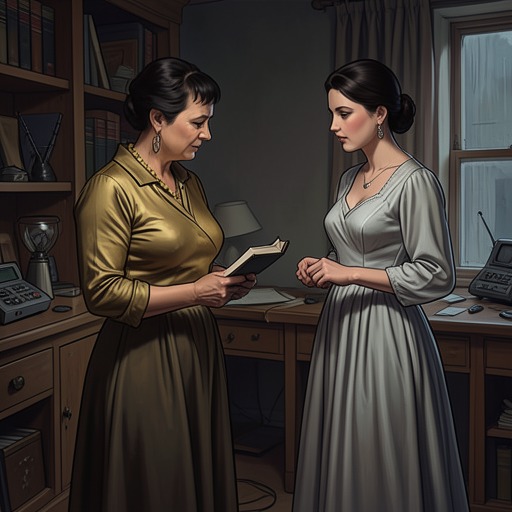
The conversations belong to a broader effort to bring hidden experiences into the open, name them, and turn anger into positive action against violence. One monologue, Ensler explains, is based on a single woman's story, shared by a survivor of atrocities in the former Yugoslavia; she dedicates the piece to the women of Bosnia. Another is one woman's account told to Ensler after they met in a shelter. Ensler connects that story to her work over the preceding ten years with women without homes, including women who had fled frightening homes and found safety, protection, or comfort in shelters and in the company of other women.
The work's public life also extends the interview encounter. After performances, women approach Ensler to tell their own stories, offer suggestions, and communicate their responses. She identifies these conversations as her favorite part of traveling with the work. The movement from interview to monologue and back to audience testimony makes the project more than a collection of source accounts: it creates repeated occasions for women to speak, respond, and bring further experiences into view.